
When selecting flooring for high-traffic areas, durability is a critical factor. Two popular options in the world of interior design are Pearly Tile and Glossy Tile. Each offers unique benefits and aesthetic appeal, but their performance under constant use can vary significantly. This article will examine the durability of these tiles, comparing their performance in busy environments. By understanding their properties, you’ll be better equipped to make the right choice for your space.
Pearly Tile: A Closer Look at Durability
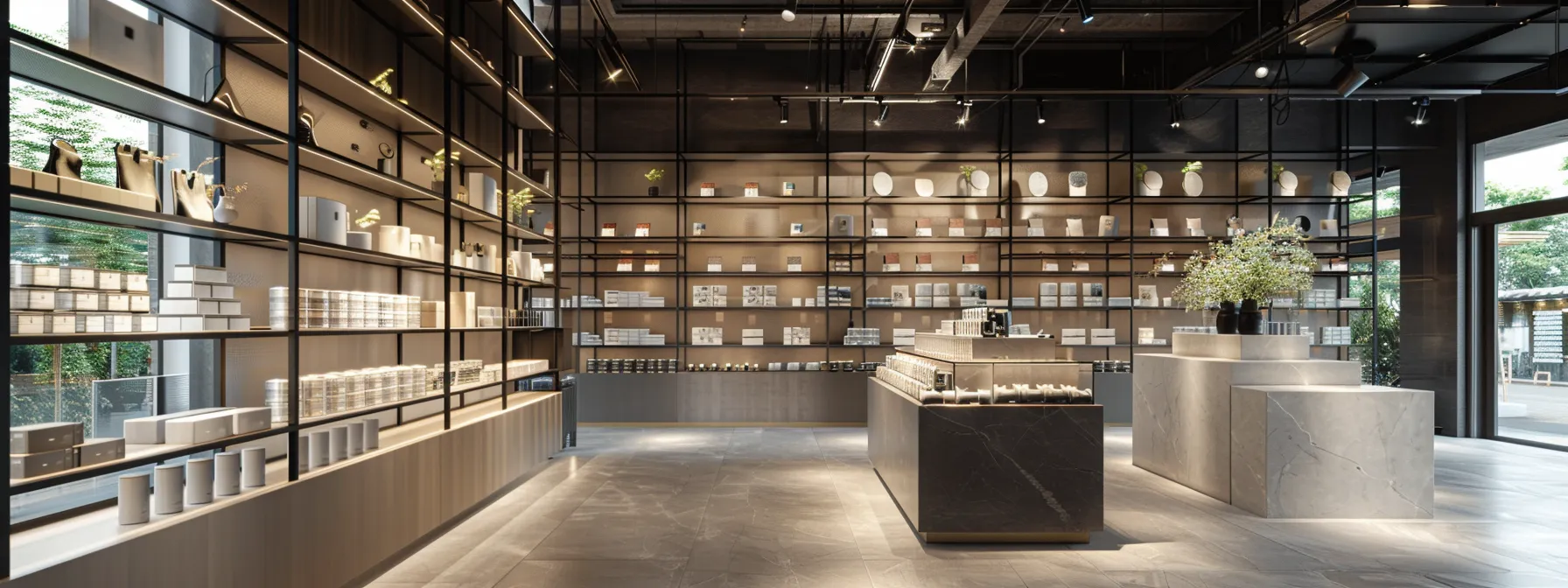
Pearly Tile, known for its subtle sheen and textured surface, is increasingly favored in design development documents for its robust nature. This type of tile is often used in settings where durability and elegance are equally important. Unlike glossy tiles, Pearly Tiles have a finish that can mask scratches and scuffs, making them a practical choice for areas subjected to heavy foot traffic. According to a Pearly Tile resource, these tiles are designed to withstand the wear and tear that comes with constant use, making them ideal for commercial and residential projects alike.
Pearly Tile’s rough texture also provides additional grip, reducing the risk of slips and accidents in busy spaces. This characteristic is particularly beneficial in environments where safety is paramount. Additionally, Pearly Tiles are often included in LEED certification projects due to their eco-friendly production processes, which further highlights their suitability for sustainable building practices.
Glossy Tile: Performance in High-Traffic Areas
Glossy Tile, with its polished finish and reflective surface, is a staple in many modern designs. However, its performance in high-traffic areas can be less than ideal. The smooth surface of glossy tiles, while aesthetically pleasing, can quickly show wear and tear. Scratches and scuffs are more visible on this finish, which can detract from the tile’s visual appeal over time. A site analysis report might reveal that glossy tiles require more maintenance to preserve their appearance, especially in commercial settings.
Furthermore, glossy tiles can become slippery when wet, raising concerns about safety in high-traffic areas such as kitchens and bathrooms. For spaces that prioritize safety, incorporating wayfinding signage to guide foot traffic can be an essential consideration when using glossy tiles. Despite these challenges, glossy tiles remain popular for their ability to enhance light and create an illusion of space, making them a viable option in areas where aesthetics are prioritized over durability.
Comparative Analysis of Pearl and Glossy Finishes
When comparing Pearly and Glossy Tiles, it is essential to consider the specific needs of your space. The durability of Pearly Tiles makes them the preferred choice for high-traffic areas, particularly in environments that value both safety and longevity. Their ability to hide imperfections and provide traction makes them a practical and stylish option for both residential and commercial applications.
Glossy Tiles, on the other hand, offer a high-end look that can elevate the overall aesthetic of a space. They are often selected during the space planning phase of a project for areas that benefit from their light-reflecting qualities. However, their susceptibility to visible wear means they might require regular maintenance or even a change order to replace damaged tiles more frequently than Pearly Tiles.
Choosing the Right Tile for Your Space
Selecting the right tile involves a careful consideration of the space’s function and design goals. For high-traffic areas, Pearly Tiles provide a balance of durability and style, supporting a seamless integration into the overall design while requiring less frequent updates to the punch list of repairs or replacements. If the priority is to create an open and bright space, Glossy Tiles can achieve this effect but may demand more upkeep.
Working with a job captain or interior designer can help in the decision-making process, utilizing tools such as CAD software to visualize how different tiles will look and perform in your space. Setting a mood board during the design phase can also assist in ensuring that the chosen tile aligns with the overall aesthetic vision.
Conclusion

Both Pearly and Glossy Tiles have their merits, but for high-traffic areas, Pearly Tile stands out as the more durable option. Its ability to withstand wear while maintaining its appearance makes it a sound investment. Ultimately, the decision will depend on the specific needs and design goals of your space, ensuring that the chosen tile complements both the functionality and aesthetic of your environment.